
Home / Blogs / How Fish Tubs Help Keep Fish Fresh During Summer Heat

How Fish Tubs Help Keep Fish Fresh During Summer Heat

How Fish Tubs Help Keep Fish Fresh During Summer Heat

2026-06-03

Summer heat is one of the toughest stress tests for seafood handling. High ambient temperatures speed up quality loss, increase odour risk, and shrink the safe window between landing and delivery. For fisheries, processors, distributors, and markets, the issue is not only “heat in the air.” It is the number of warm touchpoints that happen in a normal day: unloading, grading, auction or market staging, packing, dispatch, and last-mile delivery.

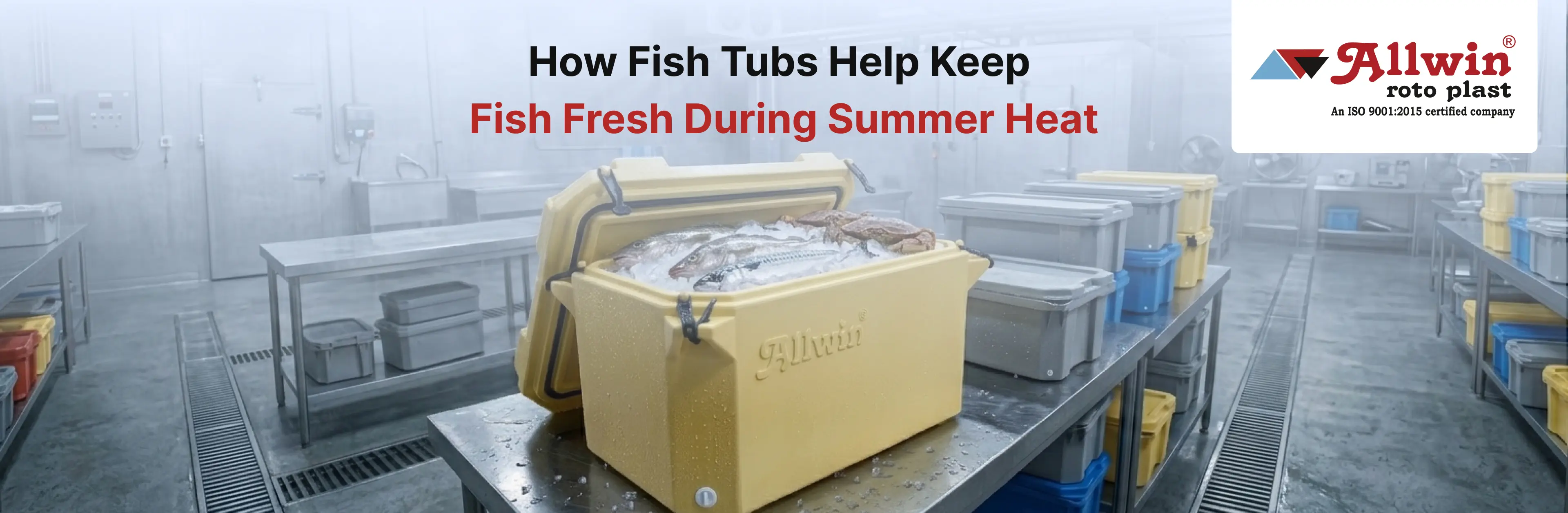
This is exactly where Fish tubs matter. Well-designed fish tubs support safer and more hygienic handling, protect fish from direct exposure, and make icing and staging routines more consistent. In simple terms, fish tubs do not “replace cold storage,” but they reduce how quickly fish warms up during the moments when cold storage cannot fully protect the load.

In this blog, we break down how fish tubs help maintain freshness in hot weather, what to look for in a quality tub, who benefits most, and best practices for summer operations. You will also see how to choose capacity and duty level, why wholesale buying improves consistency, and how to approach customisation when fleet control matters.

Why Summer Heat Is a Challenge for Fish Storage

Summer heat increases the rate at which fish quality declines, but the real challenge is operational: the cold chain is interrupted more often than most people realise. Even if you have ice and cold rooms, fish still pass through warm zones such as docks, ramps, sorting tables, and vehicles during loading. Each warm minute adds up across the day.

Hot weather also changes how teams work. Handling becomes faster, surfaces stay wet longer, and hygiene becomes harder to maintain if containers are not designed for repeated washdown. That is why summer is often when weaknesses in packaging and storage routines show up most clearly.

What summer changes in real seafood lanes:

  • Temperature rises faster at touchpoints: staging and loading bays create the biggest risk, not the cold room itself.
  • Ice melts quicker: meltwater increases mess and contamination exposure if tubs are poorly designed.
  • Odour and residue build up faster: wet conditions make cleaning discipline more important and more difficult.
  • Transit becomes less forgiving: last-mile delays and traffic can push loads out of acceptable condition quickly.
  • Handling damage increases: when teams rush, weak containers crack, stacks shift, and fish gets bruised or crushed.

Why Freshness Control Matters for Seafood Businesses

Freshness is not just a quality goal; it is a commercial requirement. Buyers judge seafood by smell, texture, and appearance, and these factors directly affect acceptance and pricing. In summer, the difference between “fresh” and “borderline” can be a few degrees of temperature drift or a few hours of exposure.

Freshness control also protects brand credibility. For seafood distributors and markets, one poor batch can impact buyer confidence beyond that single shipment. For processors, poor incoming quality can reduce yield and increase rework, which increases cost and disrupts production planning.

Why maintaining freshness impacts profitability:

  • Lower rejection and fewer claims: fewer loads get downgraded or returned due to condition issues.
  • Better shelf stability: retailers and foodservice buyers experience fewer short-life batches.
  • Cleaner handling outcomes: reduced contamination risk supports compliance and inspection confidence.
  • More predictable dispatch planning: fewer emergency interventions like re-icing, repacking, and cleanup.
  • Improved customer trust: consistent quality reduces price pressure and repeat buyer churn.
Read More: How Fish Tubs Keep Fish Fresh and Safe

How Fish Tubs Help Keep Fish Fresh in Hot Weather

Fish tubs support freshness by controlling the handling environment. They reduce direct exposure, keep fish and ice contained, improve stacking and staging stability, and make cleaning routines more repeatable. In hot weather, the goal is not to claim a fixed “hours of cold.” The goal is to reduce temperature spikes and prevent avoidable quality loss during normal operations.

This is why many businesses use fish tubs as part of their Fish storage solutions for summer. A good tub improves how ice is used, reduces mess from meltwater, and protects fish during transfers. It also helps teams maintain consistent routines, which matters more during peak season.

How fish tubs support freshness during summer heat:

  • Reduced exposure during handling: fish stays contained instead of sitting open on floors, trays, or makeshift crates.
  • Improved ice contact: Ice box shape supports consistent layering, reducing warm pockets inside the load.
  • Controlled meltwater: better containment reduces hygiene risk and keeps work zones safer during busy handling.
  • Stable stacking and staging: fewer shifting stacks reduces crushing and product damage in transport.
  • Faster cleaning cycles: enclosed, smooth tubs support hygienic reuse in high-frequency lanes.

This combination is why buyers often specify Fish tubs for hot weather storage and Fish tubs for maintaining fish freshness as a summer requirement, not a “nice to have.”

See Also: From Catch to Customer: How Ice Boxes & Fish Tubs Keep Seafood Fresh

Key Features to Look for in a Quality Fish Tub

A quality tub is defined by performance after repeated cycles. In real operations, tubs are dragged, bumped, stacked, washed, and reused under pressure. If the tub cracks easily, holds smell, or becomes difficult to clean, it stops being an asset and becomes a daily problem.

Buyers comparing Plastic fish tubs should focus on the features that reduce summer failures: cracking, leakage mess, unstable stacks, and slow washdown. A good fish tub also supports fleet discipline, which becomes important when tubs circulate across sites.

Key features that separate good tubs from weak tubs:

  • Heavy-duty build: structure that resists cracking at the base and corners under repeated impacts.
  • Hygiene-friendly internal finish: smooth interior that reduces residue traps and speeds washdown.
  • Stack stability: tub design that sits securely when wet and loaded, reducing shift in transit.
  • Drain and containment behaviour: better control of meltwater reduces mess and contamination exposure.
  • Handling practicality: grips, rims, and balance that support fast movement without spills.
  • Fleet control options: identification, colour coding, and Custom fish tubs options for segregation and returns.

When these features are present, the tubs qualify as Heavy duty fish tubs for commercial use in real summer lanes.

Who Benefits Most: Fisheries, Processors, Distributors, Markets

100 Litres fish tubs are used across the seafood chain because the same risks repeat at every stage: temperature drift, wet handling mess, and hygiene discipline challenges. The largest gains come where the volume is high and handling cycles are frequent. That is why 1250 litres commercial fish tubs are common in fisheries, processing plants, and distributor networks.

Different operations benefit in different ways. Fisheries value speed and clean handling at first touch. Processors value washdown efficiency and segregation. Distributors value stable staging and fewer claims. Markets value a cleaner workflow during peak heat.

Industries and use cases that benefit most:

  • Fisheries and landing points: faster unloading, cleaner ice handling, less exposure at first touch.
  • Seafood processors: bulk staging, easy washdown, and clearer segregation by species and grade.
  • Fish tubs for seafood distributors: stable loads for multi-stop delivery routes and fewer quality complaints.
  • Wholesale markets and fish markets: cleaner movement during peak heat and faster turnaround between cycles.
  • Cold chain logistics operators: improved control during transfer windows and consolidated movement.
  • Export workflows: better protection when dwell time, ambient exposure, and handling touches increase.

Best Practices for Using Fish Tubs During Summer

In summer, the container is only part of the result. The outcome depends on how the fish is iced, how quickly it moves, and how clean the tubs remain across cycles. Best practices are about reducing avoidable heat exposure and maintaining hygiene discipline even during peak rush.

These practices are especially important when using Fish tubs for transportation and storage across multiple touchpoints. Small improvements in staging and cleaning routines often create measurable gains in quality stability.

Best practices for summer handling:

  • Stage in shade where possible: keep tubs away from direct sun to reduce heat gain during loading.
  • Use consistent ice layering: avoid top-only icing; layer to protect the full load and reduce warm pockets.
  • Minimise opening time: frequent opening accelerates drift; plan workflows to reduce unnecessary lid-open exposure.
  • Reduce dock dwell: organise dispatch so loads do not wait in ambient heat longer than needed.
  • Separate clean and used tubs: prevents cross-contamination and reduces odour build-up during peak cycles.
  • Wash and dry completely: incomplete drying is a common reason tubs start smelling “old” during summer.
  • Replace damaged tubs quickly: cracks and gouges trap residue and reduce hygiene confidence.

These habits improve the impact of the tub itself, which is why they are part of any serious summer freshness plan.

Choosing the Right Fish Tub (Size, Duty Level, Handling Method)

Choosing the right tub is a tough decision. Define your handling method first: manual carry, trolley movement, forklift staging, or truck distribution. Then select capacity and duty level based on volume and cycle intensity. The goal is to reduce operational friction and keep quality stable, not just to buy the biggest tub available.

Buyers searching for Best fish tubs for fish storage should evaluate size, build, and fleet discipline together. A tub that is too large becomes hard to handle safely. A tub that is too small increases transfers and exposure time. The best fit depends on your workflow.

A practical selection checklist:

  • Define the use case: sorting, bulk holding, market movement, or distribution needs different capacities.
  • Choose capacity for your handling method: manual lanes prefer manageable tubs; bulk lanes can use larger tubs with equipment handling.
  • Confirm duty level: for harsh handling and high frequency, select Rotomolded Fish Tubs built for repeated cycles.
  • Prioritise hygiene and cleanability: smooth interior and easy wash zones reduce residue and odour build-up.
  • Plan for stacking and transit: ensure stable stacking to reduce crushing and movement damage.
  • Decide on customisation: Custom Fish Tubs from 70 to 1000 Litres help with segregation, ownership control, and return discipline.

This approach ensures the tub improves summer performance rather than creating new exceptions.

Bulk Buying and Standardisation: Why Wholesale Makes Sense

Wholesale buying is not only a price decision. For most commercial operators, it is an operations decision. Standardising on a few sizes improves training, stacking behaviour, cleaning routines, and inventory planning. It also reduces the mess of mixed tubs that behave differently in stacking and washdown.

If you are managing high volumes, selecting a reliable Wholesale fish tubs supplier can reduce peak-season disruptions. Wholesale buying also helps fleet control because you can keep tubs consistent across sites and route cycles.

Why wholesale procurement improves operations:

  • Standardised handling: teams learn one stack method and one wash routine, reducing mistakes during peak rush.
  • Better cost-per-cycle: durable tubs reduce replacement churn and improve value over repeated reuse.
  • Improved dispatch predictability: consistent tub availability reduces last-minute shortages and delays.
  • Cleaner hygiene outcomes: standard design makes inspection and washdown routines easier to enforce.
  • More stable stacking: consistent geometry reduces shifting of stacks during transport.

For distributors and processors, these operational benefits are often larger than the per-unit price benefit.

Read More: Custom Fish Tubs: Branding, Color & Design Options for Fisheries

Why Choose Allwin Roto Plast Fish Tubs?

Once lane requirements are clear, supplier selection should focus on specification clarity, repeatability, and ability to supply at scale. For hot-weather operations, buyers typically need durable tubs that support hygienic handling, predictable stacking, and consistent bulk availability.

Allwin Roto Plast positions its fish tub range as 70L to 1250L, made from food-grade polyethylene, which aligns with both handling and bulk staging workflows. Their published resources also highlight Custom fish tubs for fisheries, including branding and configuration choices that support fleet control and segregation. The UK-focused page also references custom sizing, colours, and logo printing, which is useful for commercial buyers managing circulating fleets.


Where this aligns with commercial requirements:

  • Range coverage for scaling: published capacity span supports both high-frequency handling and bulk holding lanes.
  • Food-contact positioning: food-grade polyethylene is stated for fish tub manufacturing on the product range page.
  • Fleet control options: customisation guidance supports identification, segregation, and return discipline.
  • Hot-weather workflow fit: durable, hygienic designs support summer operations where exposure and wash cycles increase.
How Fish Tubs Help Keep Fish Fresh During Summer Heat cta image

Conclusion

Summer heat raises the cost of small handling mistakes. Temperature drift accelerates, ice melts faster, and hygiene becomes harder to maintain when workflows are under pressure. This is why Fish tubs for hot weather storage are widely used across fisheries, processors, and distributor lanes that must protect freshness reliably.

Fish tubs support freshness by reducing exposure, improving ice management, controlling meltwater mess, and enabling repeatable hygiene cycles. For businesses implementing Fish storage solutions for summer, the most effective approach is lane-based selection: choose capacity and duty level based on handling method, then standardise best practices for icing, staging, and cleaning across the fleet.

If you need a consistent, scalable range and documented customisation support, Allwin Roto Plast fits the commercial requirement set as a Fish Tub Manufacturer and supplier for bulk seafood operations.

Frequently Asked Questions

Fish tubs reduce temperature spikes by supporting consistent ice layering, reducing direct exposure during transfers, and keeping wet handling contained. In hot weather, they also reduce meltwater mess and handling failures that accelerate quality decline, which is why they are used for maintaining condition across multiple touchpoints.
Yes. Commercial fish tubs and Heavy duty fish tubs for commercial use are widely used in fisheries, processors, and distribution networks because they withstand repeated handling, support bulk ice storage, and improve hygiene routines across high-frequency cycles.
Clean after every cycle. In summer, cleaning frequency is more important because residue and odour build faster. Prioritise corners, rim edges, and any drain zones, and ensure tubs are fully dried before storage to reduce smell build-up.
Choose size based on your handling method and volume per trip. Smaller tubs suit manual handling and fast sorting; larger tubs suit bulk staging and equipment handling. The best approach is to standardise 2–3 sizes across your lanes for predictable stacking and cleaning routines.
Buy through a Wholesale fish tubs supplier that can provide consistent sizes, repeat batches, and bulk availability. Wholesale buying also supports standardisation, which improves handling discipline and cost-per-cycle in summer operations.
Yes. Allwin offers Custom fish tubs with branding and colour options, which helps seafood businesses manage segregation and fleet control
whatsapp